Parenting Blog
Expert insights on child psychology, screen-free play, and raising resilient minds in the modern world.
Child Psychology
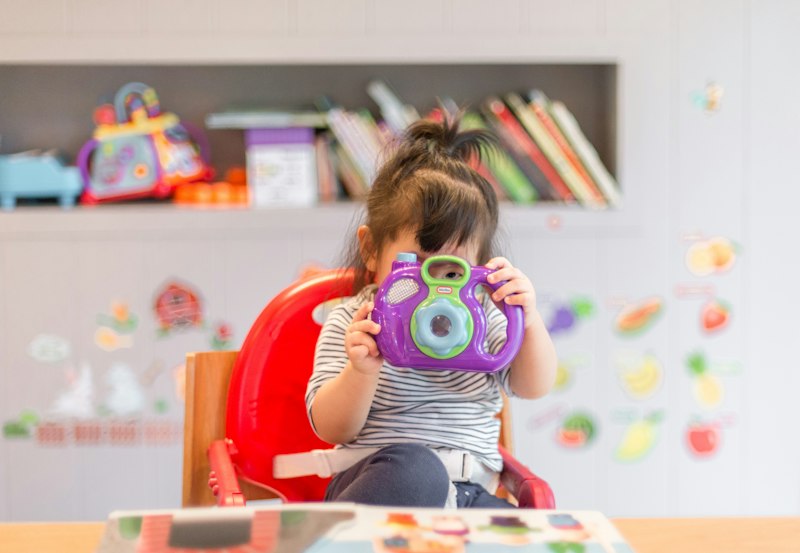
The Magic of Unstructured Play: Why Boredom is Good
Discover why letting your child be bored might actually be the greatest gift you can give their developing brain.
Education
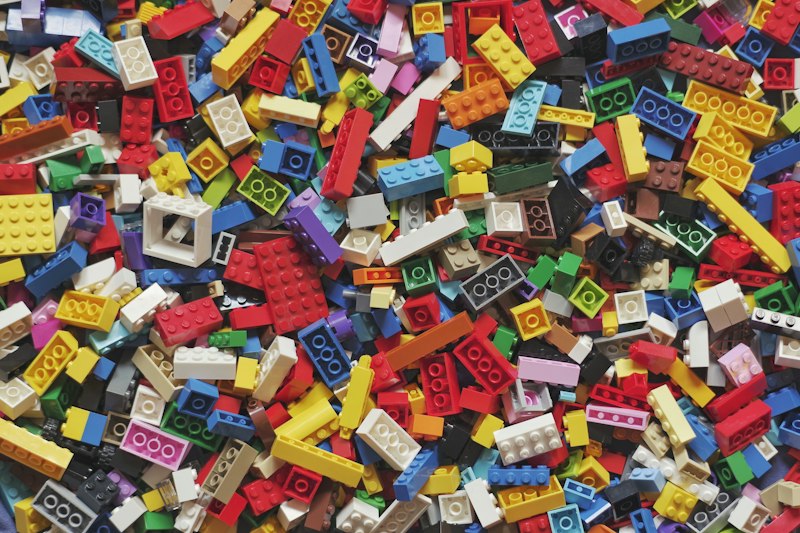
Montessori at Home: 5 Easy Steps to Start
You don’t need an expensive classroom to practice Montessori. Learn how to transform your living room into an independent play zone.
Parenting
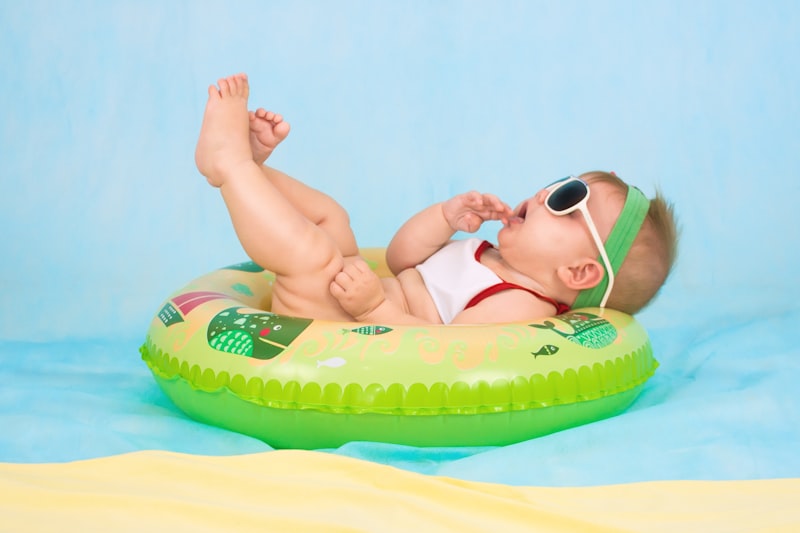
Screen Time vs. Toy Time: Striking the Balance
Navigating the digital age as a parent is tough. Here is a science-backed approach to balancing tablets with tangible toys.
Child Psychology

Decoding Toddler Tantrums
What is actually happening in a two-year-old’s brain during a meltdown? A psychological guide to de-escalation.
Education

The Power of Busy Boards for Cognitive Development
Why tactile, sensory boards are crucial for building fine motor skills and hand-eye coordination before preschool.
Parenting

Raising Resilient Kids in a Fast-Paced World
Actionable parenting tips to help your child develop grit, emotional intelligence, and a growth mindset.
Education
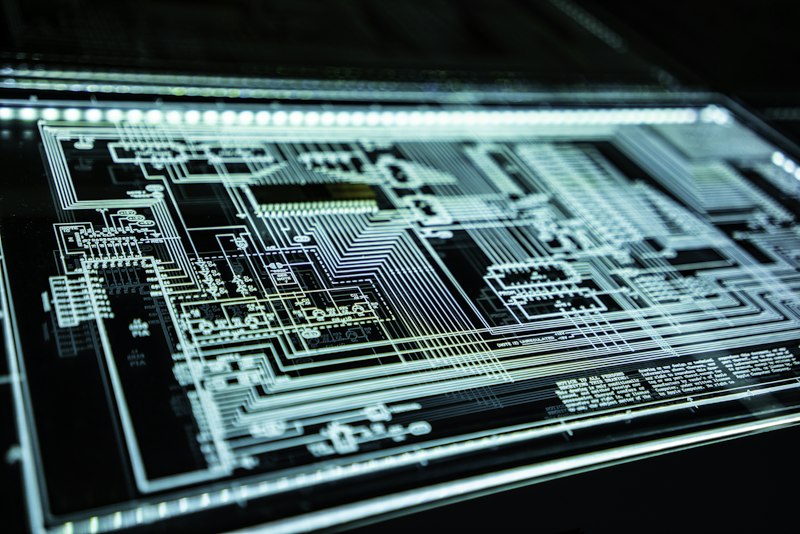
Why "Phygital" Learning is the Future
The perfect harmony of physical toys and digital intelligence is reshaping how the next generation learns.
Child Psychology
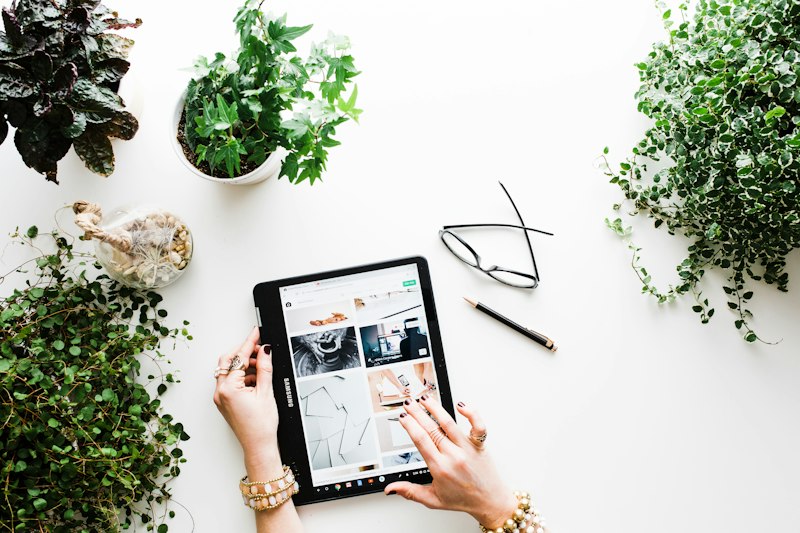
The Science of Color: Designing a Calm Playroom
How the colors in your child’s environment impact their mood, focus, and ability to learn.
Parenting
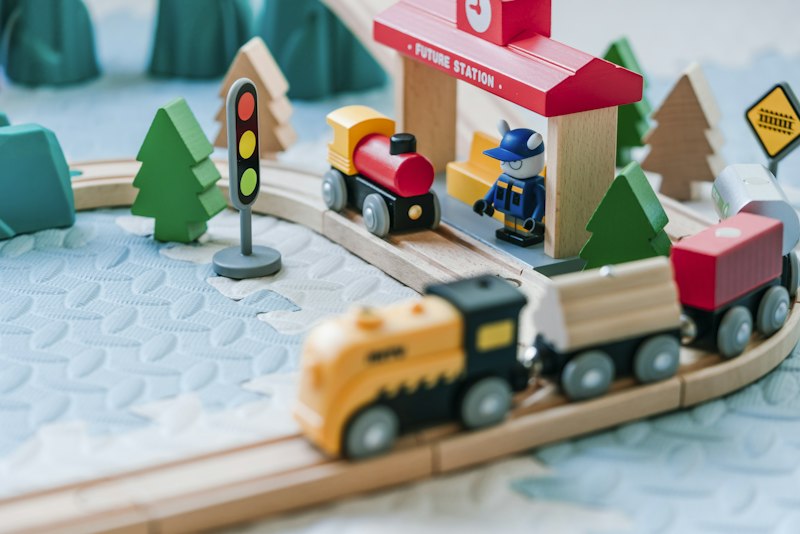
Fostering Independent Play: A Parent’s Guide
A step-by-step methodology to transition your child from needing constant entertainment to playing independently.
Never Miss a Magic Moment
Get our best parenting tips, educational methodologies, and exclusive early access to new wooden toys delivered straight to your inbox.
✨ Earn +5 Magic Coins when you subscribe!